

On 12 June 2025, Air India Flight AI‑171, a Boeing 787‑8, crashed shortly after take‑off from Ahmedabad, killing almost everyone aboard. Beyond the human tragedy, the event created a communications maelstrom: social‑media feeds exploded with grief, speculation and conspiracies, while official updates dwindled. This article combines publicly available information with an AI‑driven analysis of a 20 % sample of social‑media posts in the period of 12 June to 13 July 2025 (≈70,000) to explore how narratives evolved and what corporate communications professionals can learn. It also shows how advanced analytics can help organisations respond faster and smarter.
Initial Responses: Speed and Empathy
Air India responded quickly. Within hours of the crash, the airline confirmed the accident, listed passenger nationalities and set up a passenger hotline. A separate hotline for foreign nationals followed. CEO Campbell Wilson released a video that evening emphasising that it was not a time for speculation and pledging to share facts. Two days later, Civil Aviation Minister Ram Mohan Naidu announced a 24×7 control room, multiple helplines and a joint investigation. Regulators ordered inspections of all Boeing 787 aircraft and Air India temporarily reduced flights. By late June, black boxes were recovered and transported to Delhi. A preliminary report released on 12 July stated that both engines shut down after fuel control switches moved to the “CUTOFF” position. When some media reports suggested pilot error, the AAIB condemned the speculation and reminded reporters to respect the victims.
Despite this early activity, official updates dwindled after the first week. Air India’s memo telling employees not to speak with journalists and the ministry’s lack of regular press briefings created an information vacuum. In that vacuum, AI‑generated “reports” and conspiracy theories circulated widely. Social‑media conversations shifted from sympathy to speculation and blame—feeding into the next phase of our analysis.
Who Was Blamed? A Quantitative Look
Our analysis categorised posts by the stakeholder they blamed for the crash. As shown below, Air India attracted the most blame, followed by airline management, Boeing, and pilot/crew. Regulators, government agencies and aircraft manufacturers were mentioned far less often.
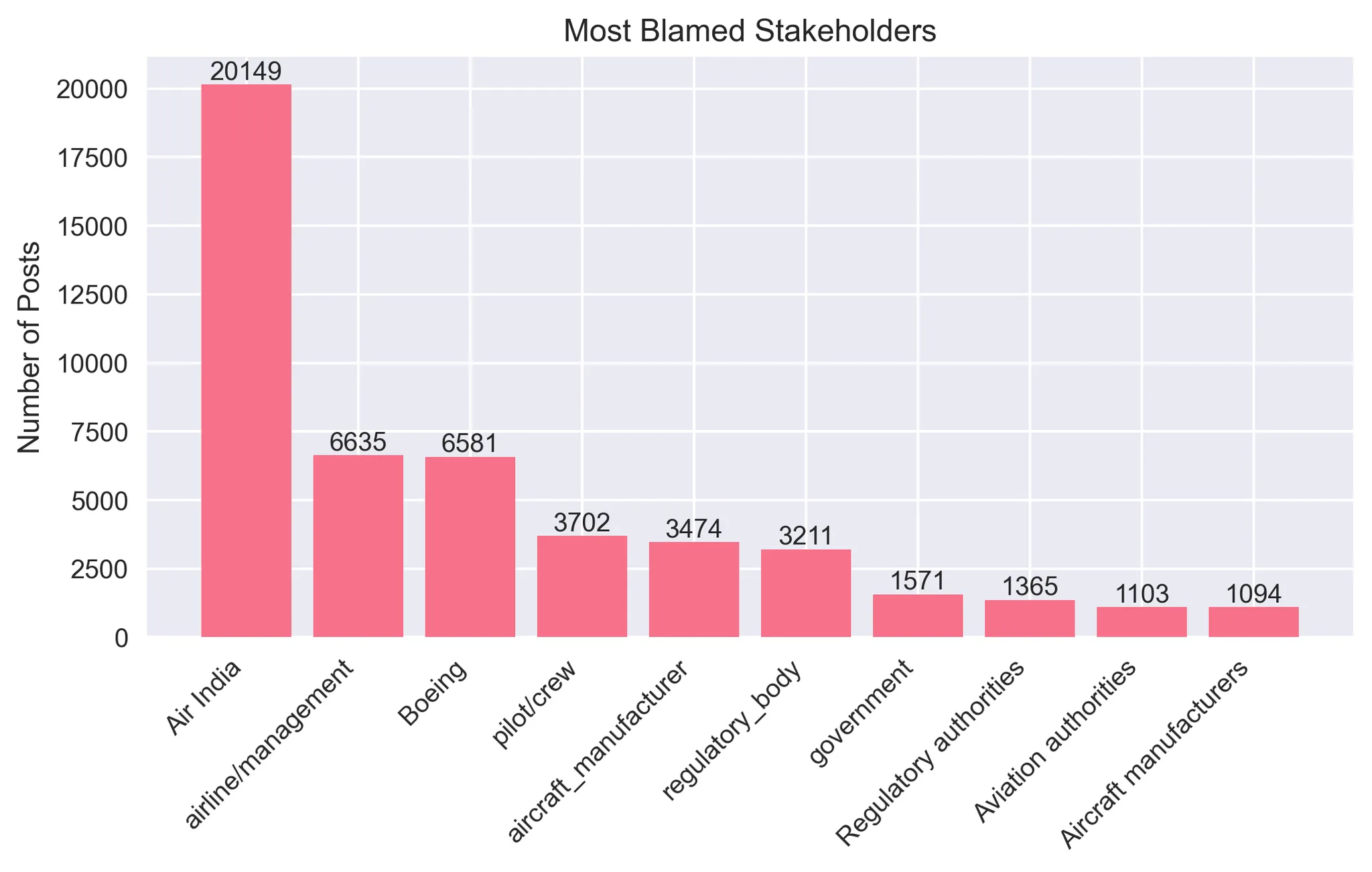
Figure 1. Most Blamed Stakeholders (20% Sample)
Themes, Trends and Misinformation
To understand narrative shifts, we applied semantic clustering to the 20 % sample. Three dominant themes emerged:
- Condolence and Solidarity (≈45 %) – Posts expressing grief and support for victims peaked in the first two days and spiked again when the black boxes were recovered. Amplifying such sentiment can help brands maintain goodwill, even amid tragedy.
- Speculation and Accountability (≈35 %) – As official updates slowed, users debated causes and called for resignations and stricter oversight. This category surged during long silences, highlighting the need for timely briefings.
- Misinformation and Conspiracy (≈20 %) – AI‑generated “reports” with faked diagrams and misattributed blame spread quickly. Some posts falsely claimed that the seat slid backward or that bad weather caused the crash. Racist tropes also appeared.
Key Takeaway
Understanding dominant themes in social media narratives helps organisations tailor communication strategies to maintain trust and counter misinformation effectively.
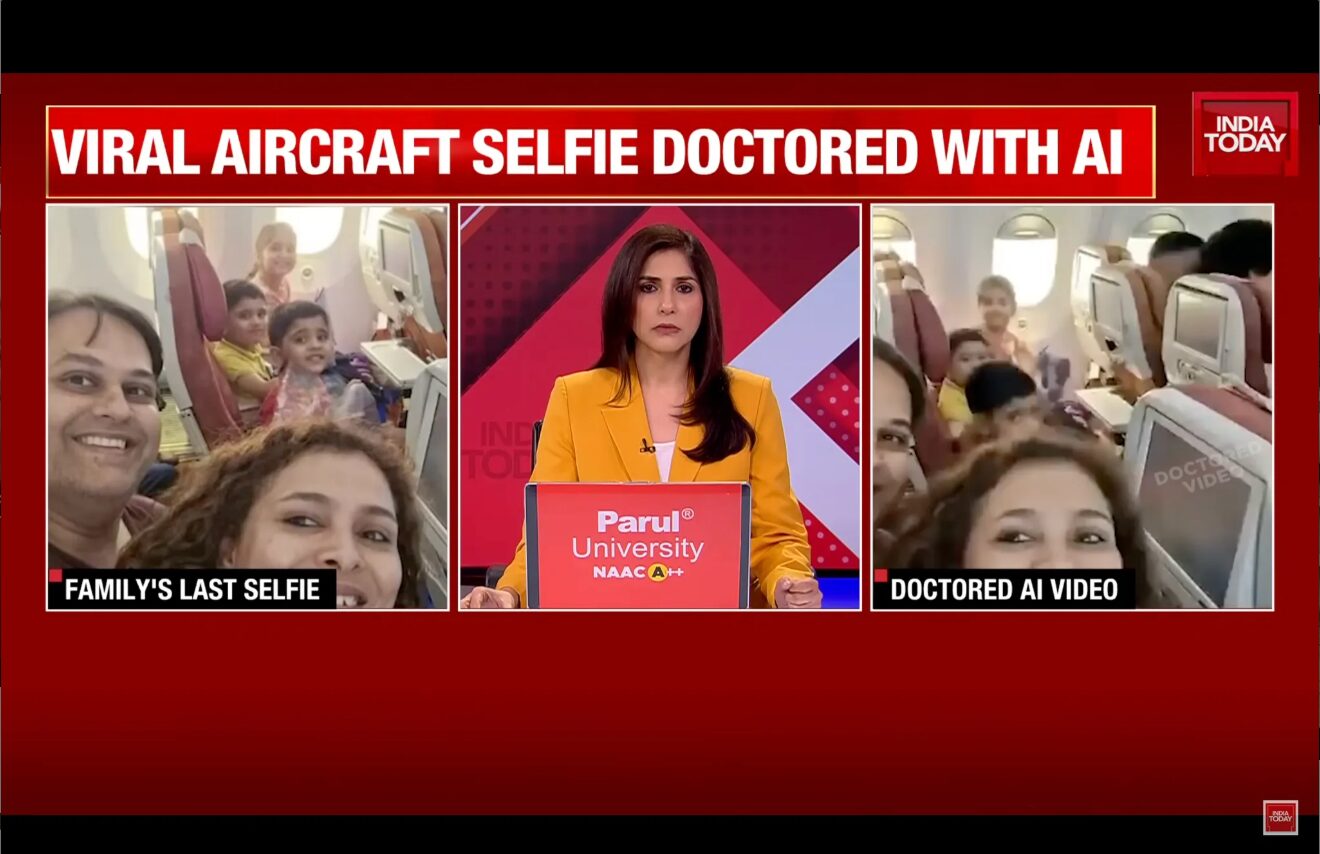
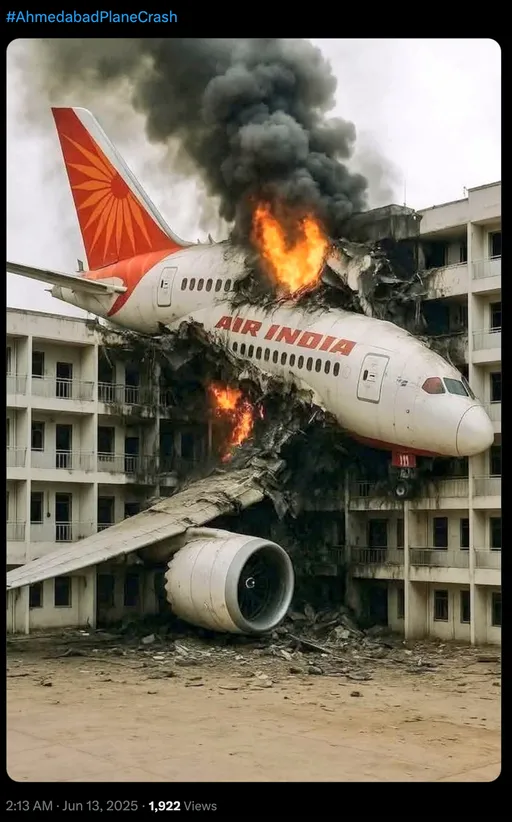
Figure 2. Air India Crash Misinformation — Doctored and AI-Generated Visuals
When Misinformation Flourished
The timeline charts below illustrate these dynamics. The posts volume graph shows a sharp spike on the day of the crash, a rapid decline and then smaller resurgences near the release of the preliminary report and on days when rumours went viral. The average misinformation score line climbs gradually, reflecting a shift from empathy to speculation and conspiracy as official updates waned.
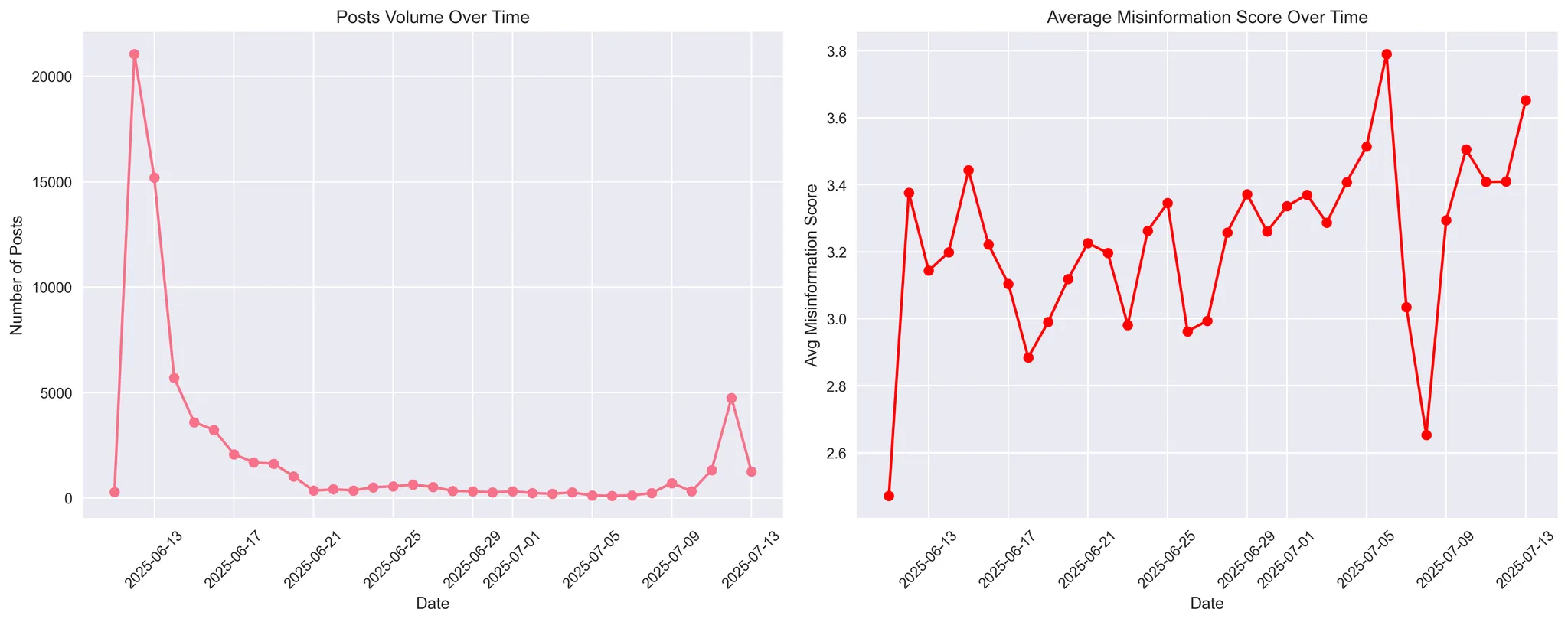
Figure 3. Dual-panel chart tracks social media activity related to the crash (20% Sample). Left: daily post volume peaked on 12 June and declined with minor rebounds around official updates. Right: average misinformation score rose from ~2.0 to ~3.5, reflecting a shift from sympathy to speculation as verified updates waned.
Scoring and Actioning Misinformation
Our AI pipeline assigned each post a misinformation score (0–10) based on extracted claims and fact‑checking against authoritative sources such as FAA, NTSB and FlightRadar24. As the histogram shows, most posts scored low (0–3), but a meaningful tail extended toward high scores.

Figure 4. Prioritisation of Responses by Misinformation and Reach (20% Sample)
Most posts in our analysis received low misinformation scores (0–3), but a noticeable tail extended toward higher scores. The mean score is at ~2.5. Posts with higher scores were prioritised for fact‑checking and response. To prioritise responses, we combined each post’s misinformation score with its potential reach. The resulting recommended action distribution is shown above. About 38 % of posts required an urgent response, 7.8 % warranted a reply, 34.3 % were best monitored and 20.2 % could be ignored.
Markets and Insurance: Communications Beyond PR
The crash reverberated through financial markets. Shares of IndiGo fell roughly 3–4 %, SpiceJet about 2.4 % and Adani Enterprises around 1.75 %. Boeing’s stock slid 4.8 %. India’s benchmark indices declined by over 1 %. Analysts noted these moves were sentiment‑driven. On the insurance front, claims could exceed US$200–475 million, and premiums are expected to rise 10–30 %. Communicators must therefore coordinate with investor relations and insurers—clear guidance on operational changes and coverage reduces volatility and mistrust.
Harnessing AI‑Driven Insights: Methodology Matters
Traditional social listening tools count mentions and assign simplistic sentiment labels. Handling misinformation requires a more sophisticated pipeline. Our Misinformation & Blame Analyzer follows these stages:
- Data Preprocessing – ingest social‑media posts, clean and normalise text and filter by date.
- Claims Extraction – a large language model (LLM) separates factual claims from opinion, extracts stakeholder blame and assigns preliminary misinformation scores.
- Enhanced Fact‑Checking – a second model (leveraging on Perplexity AI realtime search) cross‑verifies high‑impact posts against authoritative sources like FAA, NTSB and FlightRadar24, updating scores with citation‑backed verification.
- Priority Assessment – combines misinformation scores with reach to recommend ac
本文亦提供中文版。

