
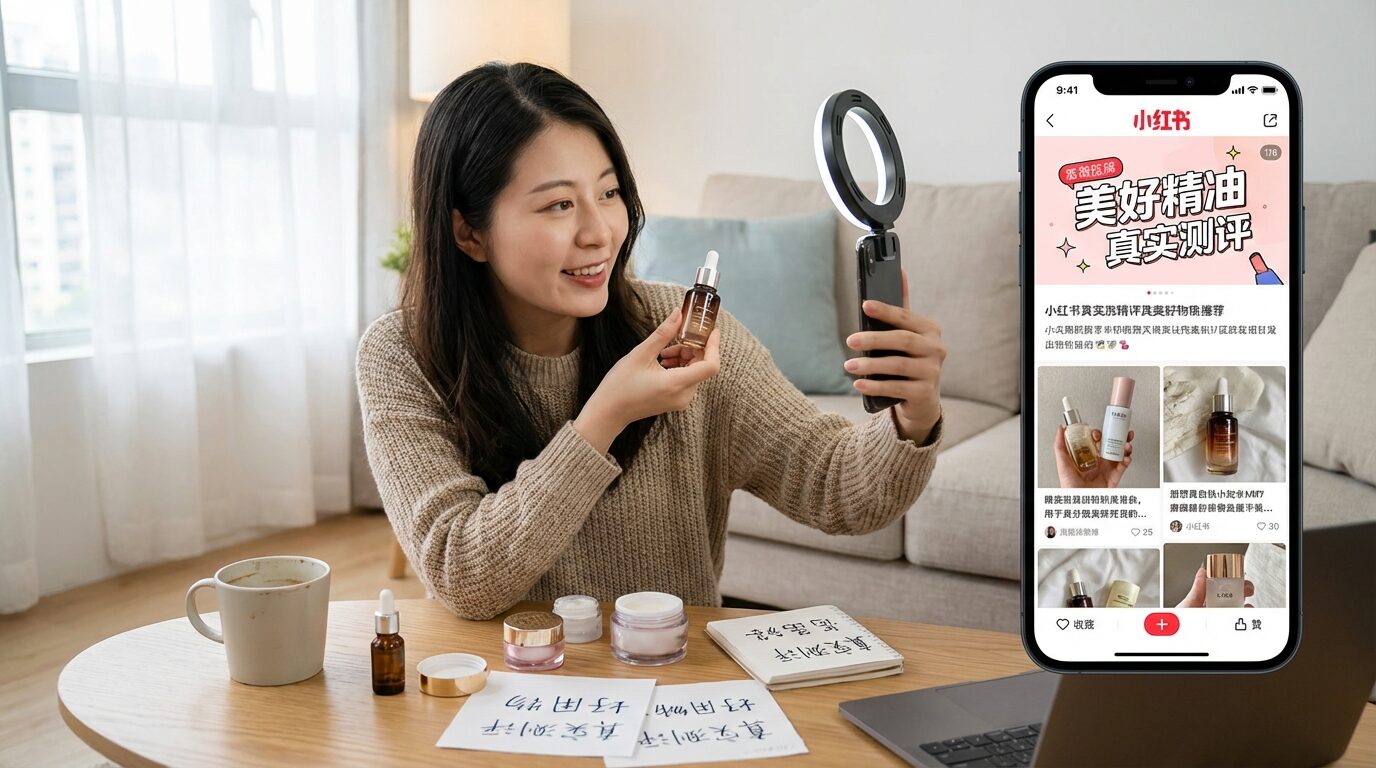
Introduction – The Hype of 《种草》: If you’ve heard the buzz about “planting grass” (种草) in marketing, you’re not alone. It’s the centerpiece of a recent book 《种草》 – co-authored by Xiaohongshu’s marketing lab with none other than Philip Kotler lending theoretical support – which bills “种草营销” as the third paradigm of modern marketing. The book is packed with 40 case studies and even introduces a shiny “new” definition of 种草: essentially helping people sincerely, finding solutions for their aspirational life, so businesses achieve sustained success. Grandiose much? A business-savvy reader might raise an eyebrow, because behind the glossy new terminology lies a concept we’ve seen before. In fact, one marketing professor candidly notes that the essence of this so-called “planting grass economy” is simply “people influencing people”. Indeed, the term “种草” has been slang in Chinese internet lingo since the early 2010s for the process of being enticed by others’ posts to want a product. In plainer terms, 《种草》 repackages familiar ideas about the consumer journey and social influence – old wine in a new Little Red bottle. But that doesn’t mean it’s not worth dissecting. Let’s peel back the layers of buzzwords and see how Xiaohongshu (a.k.a. Little Red Book) has perfected these classic marketing principles in practice.

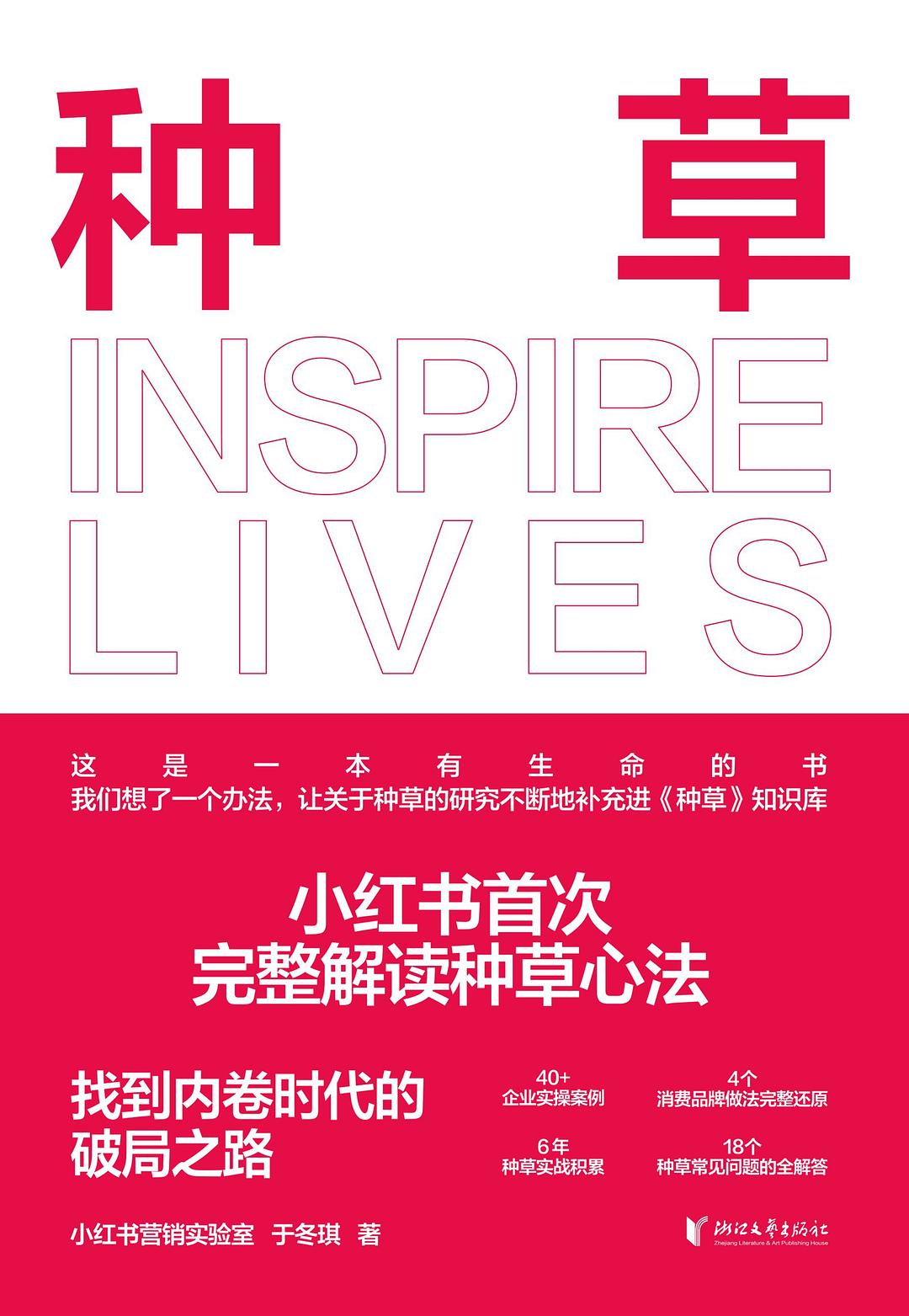
The book 《种草:INSPIRE LIVES》 promises fresh marketing insights, but savvy readers might experience a sense of déjà vu. Its glossy cover and bold title (“Planting Grass: Inspire Lives”) exude innovation, yet the content inside echoes familiar marketing mantras.
A Familiar Journey from Awareness to Action (AIDA Reinvented)
At its core, Xiaohongshu’s magic is just the classic customer journey on steroids. The time-honored AIDA model – Awareness, Interest, Desire, Action – is perhaps the best-known marketing framework, and Xiaohongshu executes it in a uniquely social-media-driven way. Traditionally, AIDA describes how a consumer moves from first learning about a product to developing interest, then desire, and finally taking action to purchase. What’s changed in the Xiaohongshu era is who drives those stages. It’s no longer just brand ads pushing the consumer along; social media communities now inject each step with peer influence. On Xiaohongshu, a random user’s post about a great niche lipstick or a hidden hiking trail can create Awareness among thousands. The detailed reviews and real-life photos in the post build Interest, as others start saving the post and thinking “maybe I should try this.” When enough people chime in with comments (“This looks so good!”) and the product or place gains trending status, it stokes Desire – the item goes on everyone’s wish list, the destination on everyone’s itinerary. Finally, Xiaohongshu makes Action easier by integrating e-commerce and links: users can often click straight to a purchase page or find the exact product in the app’s shopping feature. The platform’s seamless blend of content and commerce is explicitly designed to collapse the distance between seeing something and buying it. In fact, with the launch of the RED Mall, users can discover a product in a post and immediately purchase it without leaving the app, then come back and share their own review – fully closing the loop within the community. In short, Xiaohongshu’s whole model takes the AIDA funnel and turbocharges it with user-generated content: awareness is organic, interest is communal, desire is stoked by social proof, and action is one tap away.
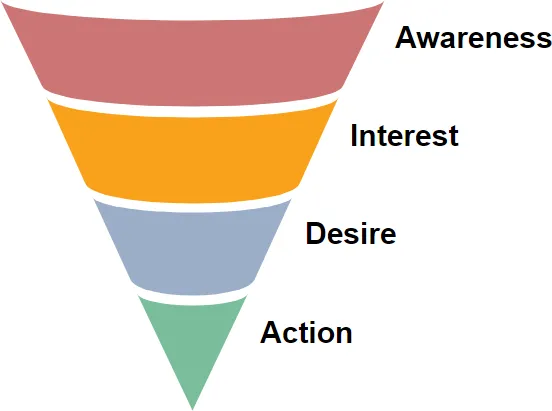
To illustrate, consider a consumer electronics gadget on Xiaohongshu. Rather than encountering a banner ad, a user might stumble on a viral post from someone raving about a new portable blender. That post grabs attention with an eye-catching demo video (Awareness) and provides a mini-review of how it improved their daily smoothie routine (Interest). The comments are full of folks tagging friends and saying “I need this!” (Desire – peer affirmation at work). Conveniently, the post has a link or mentions that the blender is available via Xiaohongshu’s shopping tab or an official store, so intrigued readers can immediately click to buy (Action). This journey feels natural, even conversational – like getting a recommendation from a friend – yet it maps neatly onto AIDA. As marketing guru Kotler would remind us, the fundamentals of consumer psychology haven’t changed; the players influencing those fundamentals have. On Little Red Book, “friends and influencers” are the new ad copywriters, guiding followers from awareness to purchase through relatable content. It’s AIDA, but with a hundred mini-recommendations doing the job of one big ad.
See-Think-Do-Care: Meeting Consumers at Every Stage (and Keeping Them There)
Beyond the initial funnel, successful modern marketing extends before and after the purchase – which is where models like Google’s See-Think-Do-Care (STDC) and McKinsey’s loyalty loop come in. Xiaohongshu excels here as well by engaging consumers at all stages of their journey, not just until they hit “buy.” In Avinash Kaushik’s STDC framework, the “See” stage is the largest audience with a latent need (not actively shopping, just browsing inspirations), “Think” are those starting to consider or research, “Do” are ready-to-buy actors, and “Care” represents post-purchase relationship building and loyalty. How does Xiaohongshu play into this?
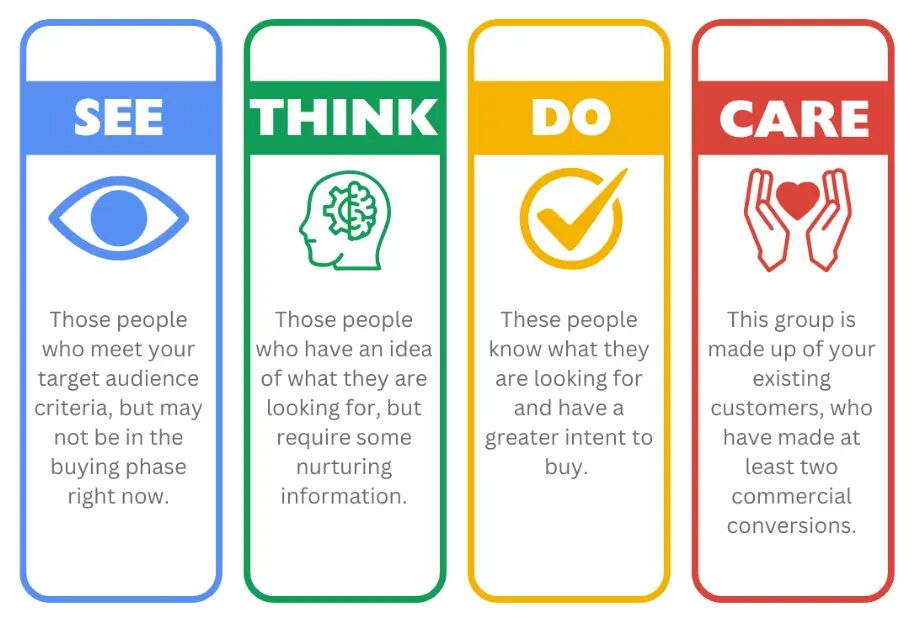
- See: The platform is an endless discovery engine. Users in the “just looking for ideas” mindset scroll a personalized feed of lifestyle content, travel vlogs, fashion look-books, you name it. They might not have a specific purchase in mind (no defined intent yet), but Xiaohongshu plants seeds. A user killing time might see a photo album of weekend getaways or a makeup tutorial and think “Oh, that’s interesting.” Here, Little Red Book captures attention at the earliest stage, much like the “See” audience framework suggests – even before the user consciously knows what they want.
- Think: Now suppose that casual browser has been inspired – she spotted a handbag in someone’s outfit post and is intrigued. She moves into research mode: looking up that product, reading multiple Xiaohongshu notes (posts) reviewing similar bags, comparing options. Xiaohongshu’s powerful search and algorithm (with 60% daily user search penetration on the app) means users actively seek information on the platform. At this “Think” stage, the app provides abundant peer-generated content to inform and persuade. Users save posts, follow discussion threads, maybe ask questions in comments – effectively using Xiaohongshu as a social search engine to evaluate their budding desire.
- Do: When it comes time to act (make a purchase or booking), Xiaohongshu smooths the path. The integration of the RED Mall and outbound links allows a quick move from inspiration to transaction. See a cool gadget? There’s likely a “buy now” or “link in bio” available. Interested in a travel destination? Users might find package tour links or at least enough info to immediately plan a trip. The platform often doesn’t even need to directly sell the item (for instance, many Xiaohongshu-inspired purchases happen on Tmall or Taobao after users discover things on RED), but crucially it has guided the user right up to that point. By covering the “Do” stage, Xiaohongshu ensures the handoff to commerce is frictionless – a user can go from coveting a product in a post to ordering it within minutes.
本文亦提供中文版。

